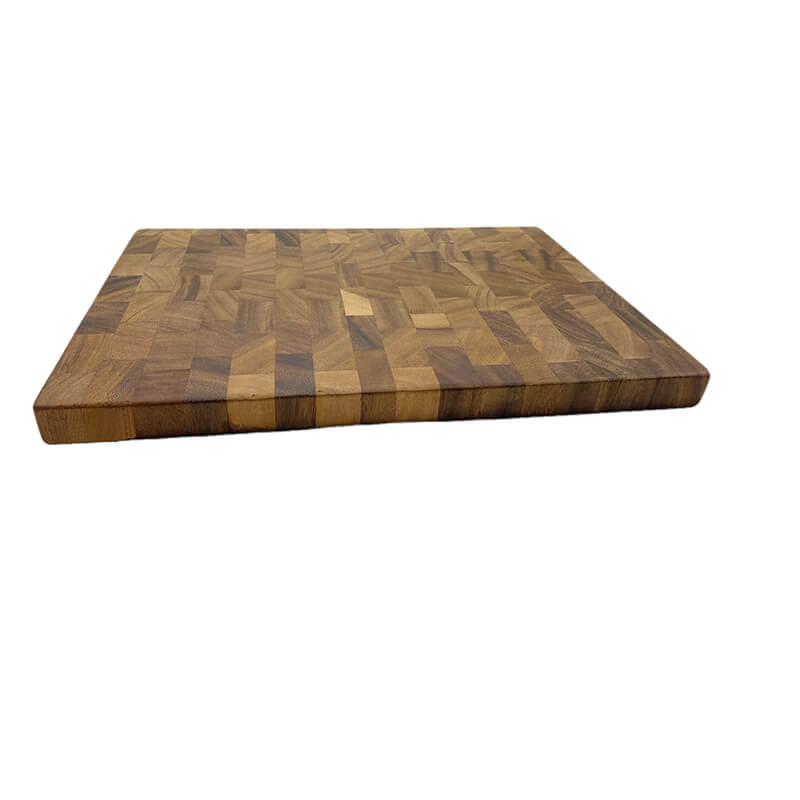
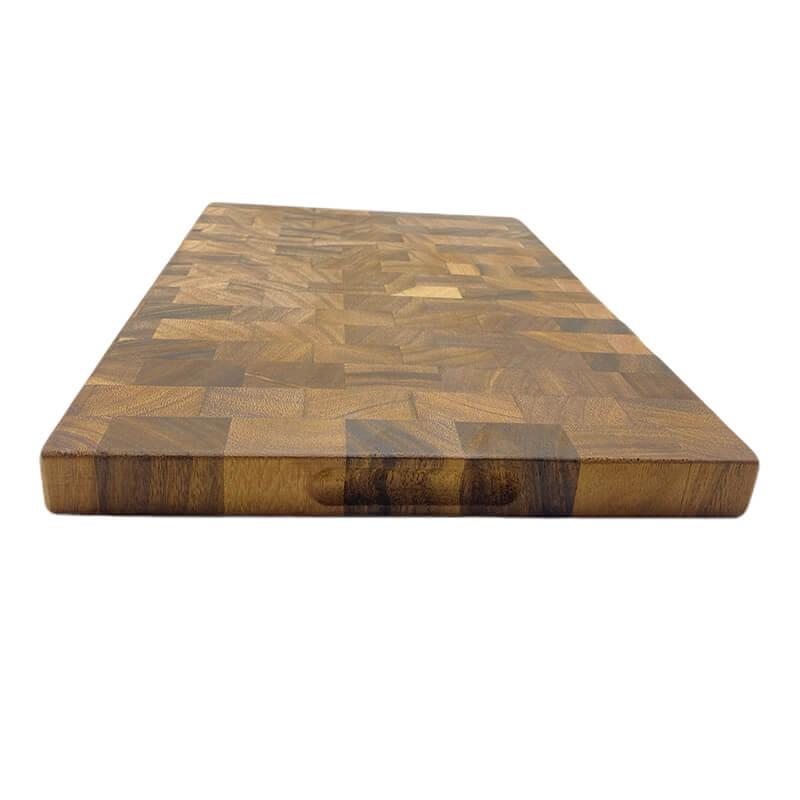
How to Care for Your Endgrain Walnut Wood Cutting Board
An endgrain walnut cutting board is not just a kitchen tool — it's a long-term investment in your cooking experience. With features like a reversible design, juice groove, and built-in hand grips, it’s built for everyday use. But to keep it beautiful, sanitary, and crack-free for years, proper care is essential. Follow this guide to maintain your sustainable endgrain walnut board.
1. Clean it properly after each use
· Hand wash only – Never put your walnut board in the dishwasher. The extreme heat, steam, and harsh detergents will cause warping, cracking, and glue line failure.
· Use warm water, a soft sponge, and mild dish soap.
· Scrub gently along the grain. For stubborn stains or odors, sprinkle coarse salt or baking soda on the surface, then scrub with half a lemon.
· Rinse immediately and dry with a clean towel. Never leave it soaking in water.
2. Sanitize naturally
To kill bacteria without chemicals, spray the surface with white vinegar or a mixture of 1 part hydrogen peroxide to 3 parts water. Wipe dry. Walnut’s natural density and endgrain construction actually help pull bacteria into the wood where it dies off — studies show wood boards are more hygienic than plastic when properly maintained.
3. Oil regularly – the most important step
Endgrain walnut acts like a bundle of straws: it absorbs oil deeply, which keeps the wood from drying out and cracking. Use food-grade mineral oil or a specialized board oil (avoid vegetable oils – they turn rancid).
How to oil:
· Apply a generous amount of oil to the clean, dry board.
· Spread it evenly with a soft cloth or paper towel.
· Let it soak for several hours (or overnight).
· Wipe off excess.
· Repeat once a month or when the board looks dry (light in color, rough to the touch).
For deeper protection, use a board cream (mineral oil + beeswax) every few months. It seals the surface and adds water resistance.
4. Avoid common mistakes
· Don’t let it stand in water – Even a few minutes can cause warping.
· Don’t leave it near heat – Keep away from stoves, ovens, or direct sunlight. Heat accelerates drying and cracking.
· Don’t use abrasive pads or steel wool – They will scratch the beautiful endgrain pattern.
· Don’t cut raw meat and fruit on the same side without cleaning – Use the reversible design: one side for meat, the other for produce.
5. Deep cleaning and deodorizing
If your board absorbs smells (onion, garlic, fish), try this:
· Sprinkle coarse salt liberally over the surface.
· Rub with half a lemon, squeezing juice as you go.
· Let sit for 5 minutes, then scrape off salt with a bench scraper or spatula.
· Rinse, dry, and apply a light coat of oil.
6. Store it correctly
Store the board upright on its edge or flat on a ventilated surface (not directly on a wet counter). If you lean it against a backsplash, ensure both sides get airflow. Some boards come with built-in grips that allow hanging – use them to keep the board off solid surfaces.
7. Restore a dry or scratched board
Over time, endgrain may feel rough or show knife marks. That’s normal. To restore:
· Lightly sand the surface with fine-grit sandpaper (220 grit) going with the grain.
· Wipe away dust.
· Apply a generous coat of mineral oil, then board cream.
· Buff after 24 hours.
Your board will look almost new.
Final tip: Love your board, and it will love you back
An endgrain walnut board is durable enough for daily chopping and gentle enough on your knives. With just a few minutes of care each month, it will develop a rich patina and last for decades — maybe even become a family heirloom.
Happy cooking!